 This year, NYC-Parents in Action’s Teen Scene 2026 marked four decades of the popular teen panel. The event, like those preceding, owed its impact to an impressive group of NYC independent school teens. Their voices were candid, refreshing, occasionally a bit alarming, but ultimately reassuring. For parents experiencing an NYC-PIA Teen Scene for the first time, it may have been breath-taking, but to long-time followers, it offered the same hope it always has. The world may change, but the kids retain, year after year, a core appeal that has made the evening so beloved – they are reflective, smart, sincere, and honest.
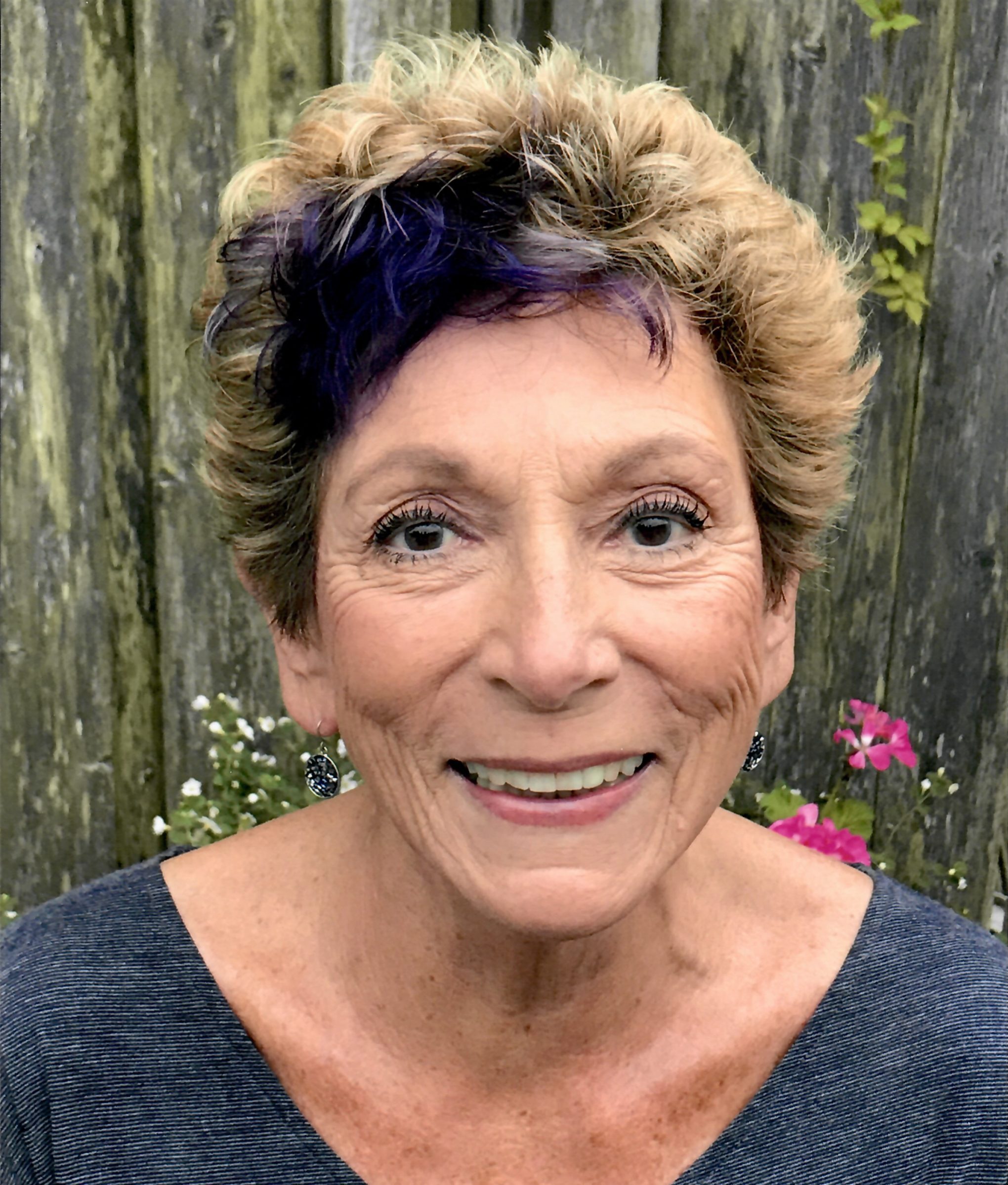
In marking Teen Scene’s 40th anniversary we also honor the 40 years that Lucy Martin Gianino has served as our moderator, asking teens the probing questions that elicit their thoughtful answers. I recently had the pleasure of sitting down with Lucy for a reflective look back. She remarked on how our teens’ world has changed, yet has also essentially stayed the same. We talked about an earlier Teen Scene retrospective, written to mark 30 years. With that in mind, we focused on what is different in just this past decade – one which was marked with a fair share of upheaval, including the COVID lockdown, which affected every one of our schools.
In our 30-year article, a question arose about how a future Teen Scene might look: it was suggested that maybe the event would be digitally managed? Interestingly, despite a COVID hiatus that shut down our live Teen Scene and delivered it via Zoom instead, the event has now returned to its in-person format. We cannot always predict what will evolve, but we can compare the concerns of 10 years ago with those front and center now.
In 2016, the two big themes that emerged were STRESS and CONSENT, so we began there:
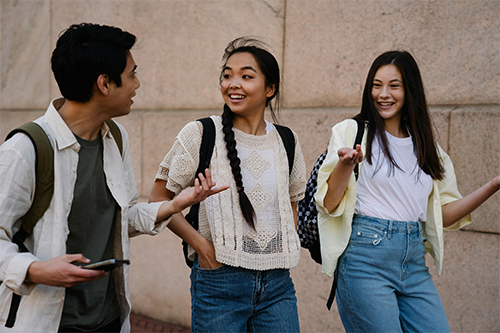 I asked Lucy about those issues. Her answer was blunt: “Consent,” she said, “is basically no longer on the radar.” The only adjacent subject noted was around LGBTQ+. “As far as anything about trans kids and LGBTQ+,” said Lucy, “they’re very calm and matter of fact about it. They say it is what it is – if you like a person, it’s cause you like them, not because of their sexual identity. It’s not an issue for them at all.”
Not so with stress. Stress is not a non-issue and it hasn’t gone away. “CONSENT may have fallen by the wayside,” Lucy said, but “STRESS has actually multiplied.”
Stress is “so huge now that I had to ask the teens who’s more stressed, kids or parents?” said Lucy. “And I got the feeling they often thought the parents had it worse.” One teen said, if you get a B+ in class, parents feel you’ve failed. They want you to get the highest grades so you get into THE best school. One factor that may be driving this, Lucy thought, is that a private school education now involves such a huge financial commitment. The price tag now is about $70K. Parents may say they know there are many good schools, but the kids sense their parents are deeply stressed about access to “the TOP colleges.”
Stress around academic success is not limited to parents. Lucy noted that a 9th grader this year told her “I’ve never kissed a girl or held a girl’s hand, but I have researched 11 colleges already.” Years ago, the college search did not start in 9th grade.
Lucy thought the kids wished they could slow down the mounting stress level for everyone. Some said “we know our parents are worried and stressed” so Lucy asked if they thought it might help to have someone else to confide in, other than parents. They all agreed it might, even those who reported good relationships with their parents. They didn’t necessarily think the other person should be a shrink, but could be a teacher, a relative, or even a peer.
When stress builds to an intolerable level, other complex issues may arise too. It may be no coincidence that suicide is a growing problem, and it came up in this year’s panel. Lucy said it is NOT drugs or alcohol leading to the suicides, it’s more of a fear that “I can’t measure up” or “I’m scared to try to measure up.” Kids feel, “if I don’t try and I don’t get good grades I haven’t failed. But if I try, and then don’t get a good grade then I HAVE failed.” That sense of being trapped in a cycle of stress and fear can lead to seeking a way out.
 “Suicide seems to be an option that occurs to kids more readily now than 40 years ago,” said Lucy, or even 10 years ago. It’s “very much in the foreground with our kids” and viewed by some as a solution much more often than in previous years. Schools are trying to deal with it, she added. Some experts note that suicide has become romanticized in a way that kids might interpret as glamorous or brave. Kids need to realize it is not that, nor is it a solution. It causes pain for both the victim and those left behind. The trauma for the sufferer moves outward to cause hurt to others, even after the sufferer is gone.
If it happens at one school, the news spreads in a heartbeat to all of our schools, said Lucy. The horror of it hurts the whole community. Parents whose kids are at a school where this happens are devastated. The kids on the panel were strangely reluctant to have a talk with their parents about it, she added; they said no, no, we have other sources where we can talk about that. They all agreed there should be someone to talk to, but not just the parents. They felt this way about extreme stress too. They know they need to blow off steam, but not always to their parents.
Another issue that came up was safety. Parents asked about kids who go out and party and don’t take an Uber because of concerns of safety there, so instead take an e-bike, but don’t wear a helmet, sometimes riding two to a bike. Safety concerns are not new, but Ubers and e-bikes were not on the radar a decade ago. Other current safety concerns centered around fentanyl, the use of which has grown rapidly in the past decade, with deadly consequences.
 The kids expressed more confidence about their safety. The consensus seems to be that there may be more alcohol and drugs out there now, not less, but despite that, it is not necessarily worse than in previous decades. The kids’ view is that they handle it more capably now than 10 years ago. Kids say, “We drink, yes, but we know how to drink.” They’re matter of fact about it, Lucy observed, and better prepared due to school programs that give them the information they need. “Everyone has a fake ID” and “you can get whatever you want,” were among this year’s comments; however, the mystique that used to surround drug use is largely deflated. They know drugs can be dangerous, and they also know they can get them – but they also know ALL the pros and cons. They say the drug education their schools have offered ensures there’s no surprise element. They know how to be careful. They have access to fentanyl indicators to let them test a drug – say, weed – to see if fit contains added fentanyl and if so, they don’t use it. They feel they have these tools, and they can make their own decisions. It’s almost casual.
“The parents are projecting a level of anxiety about all these issues,” Lucy said. The kids know their parents are worried but find it irritating when parents track them through apps. This, too, is an issue that has arisen since the last retrospective. The teens want parents not to lecture, but to talk and listen, and above all, to trust them. Too much tracking erodes the balance.
Lucy noted that the teens seem to feel capable and to feel they’re entitled to parental trust. Her own assessment of them suggests they may not be far off the mark. She said, these teens, are in many ways “like mini-adults – they know about the bad stuff but they also know how to put one foot in front of the other and make careful choices.”
 She observed another mature behavior pattern: renewed interest in doing things with others, and finding good activities outside school and home. This is possibly a reaction spurred by their relief at being released from the restraints imposed on their lives by the COVID lockdown. Now that the pandemic is over they are happy to go to the park with friends, hang out in groups, go down to the Village, just be together; they seek outside activities that are beneficial to them, Lucy said. While they know they were affected by the lockdown, they also know they’ve now come out of it. And renewed interest in sharing activities with others is a healthy response.
They are engaged, says Lucy, even if the activities they choose are spurred by a desire to fill in a college resume. They seem genuinely interested in the activities and engage enthusiastically.