


The panel brought together three distinctive voices:
Dr. Tom Kelly, Head of Horace Mann School, now in his 21st year leading the school. He is a member of the Upper Division faculty where he has taught both Ethics in School and Society and Advanced Placement Psychology. Beyond the walls of Horace Mann, Dr. Kelly serves as a member of the Boards of Directors and advisory boards for multiple schools and organizations to support children and education.
Todd Shy, Head of School at Avenues New York, in his second year in the role but present since Avenues opened in Chelsea in 2012. Raised in Appalachia on the Virginia–Tennessee border, he studied at Princeton Theological Seminary, taught in North Carolina for 16 years, and came to New York to join Avenues New York at its founding in 2012.
Dr. Aliza Pressman, Developmental psychologist, associate professor at the Mount Sinai School of Medicine, co-founding director of the Mount Sinai Parenting Center, host of the award-winning Raising Good Humans podcast, and best-selling author of The Five Principles of Parenting.
Oscar Bleetstein: What is one thing you think about every day?
 Tom Kelly pointed to disruption — all the things that are disruptive not only to learning, but also to allowing parents to be their better selves when they need to be — and the shared responsibility of schools and families to minimize it over the next five to ten years.
Todd Shy named two worries: that young people’s “powers of concentration and attention, stability to sustain our attention and concentration on important things, feels under enormous threat,” and that students are growing up in environments that encourage cynicism. Quoting Wesleyan president Michael Roth, he noted that educators agree on teaching critical thinking — but asked, “can we teach critical thinking without producing cynics and critics and young people who are suspicious of the world, rather than open to it and embracing of it?”
Aliza Pressman echoed the cynicism concern and added a bracing observation about parental anxiety itself: “there’s so much worry about our kids that I think our kids are worrying.” She argued that “we have turned normal, typical what’s-really-hard-about-being-a-person into pathology. And it’s making it really hard to distinguish between when to worry and when not to worry.” Young people, she said, look to the adults in their lives to figure out whether they are centered, grounded, and safe — so the onus is on adults to get there first.
 Is COVID in the rear-view mirror, or is there still a COVID deficit for kids?
Kelly said the lasting effects at Horace Mann have been unexpectedly positive: year after year of “humble, inclusive” classes, and a new appreciation for presence itself — “The privilege of just being present on campus in a joyful way is valued differently.” He also staked out a firm position on snow days: “Let the kids have the snow day. It’s part of the legacy of schooling.”
Pressman was reassuring. “We are built to bounce back…for the majority of kids, they’re doing just fine.” She distinguished between children with stable homes and resources — who may emerge more robust — and more environmentally sensitive “orchid” children, about whom she worries more.
Shy added historical context: the pandemic “exposed and accelerated larger tensions and fracture lines in the country,” landing on a community that was already under pressure and deepening its polarization.
Charles Harkless: Parents are anxious about the trade-off between letting children learn through failure and providing supplemental support like tutoring. Where’s the line?
Kelly was direct: “You cannot backwards-design your child’s life…to catch every boat, to catch every subway car…can be a colossal waste of time. And it can also be a disruption of a kid’s journey through life that at some point does need to be uniquely theirs.” Support in partnership with the school is fine, he said, but “those decisions require your better self. And an honest discussion about who’s the supplement for.” He closed with a credo: “our kids have to live in a world of personal best,” adding, “there’s not a kid I wouldn’t walk on glass for.”
Pressman offered empathy for parents who choose rigorous, high-achieving environments and then feel trapped by them: “is it support and scaffolding or is it actually trying to create a different person than is meant to be there?” The tone of the school, she said, is set by its heads — and parents underestimate how strong they are as a group in supporting each other.
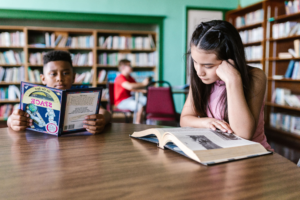 Bleetstein: What is the one non-negotiable habit in the early years that pays the highest dividends in the teenage years?
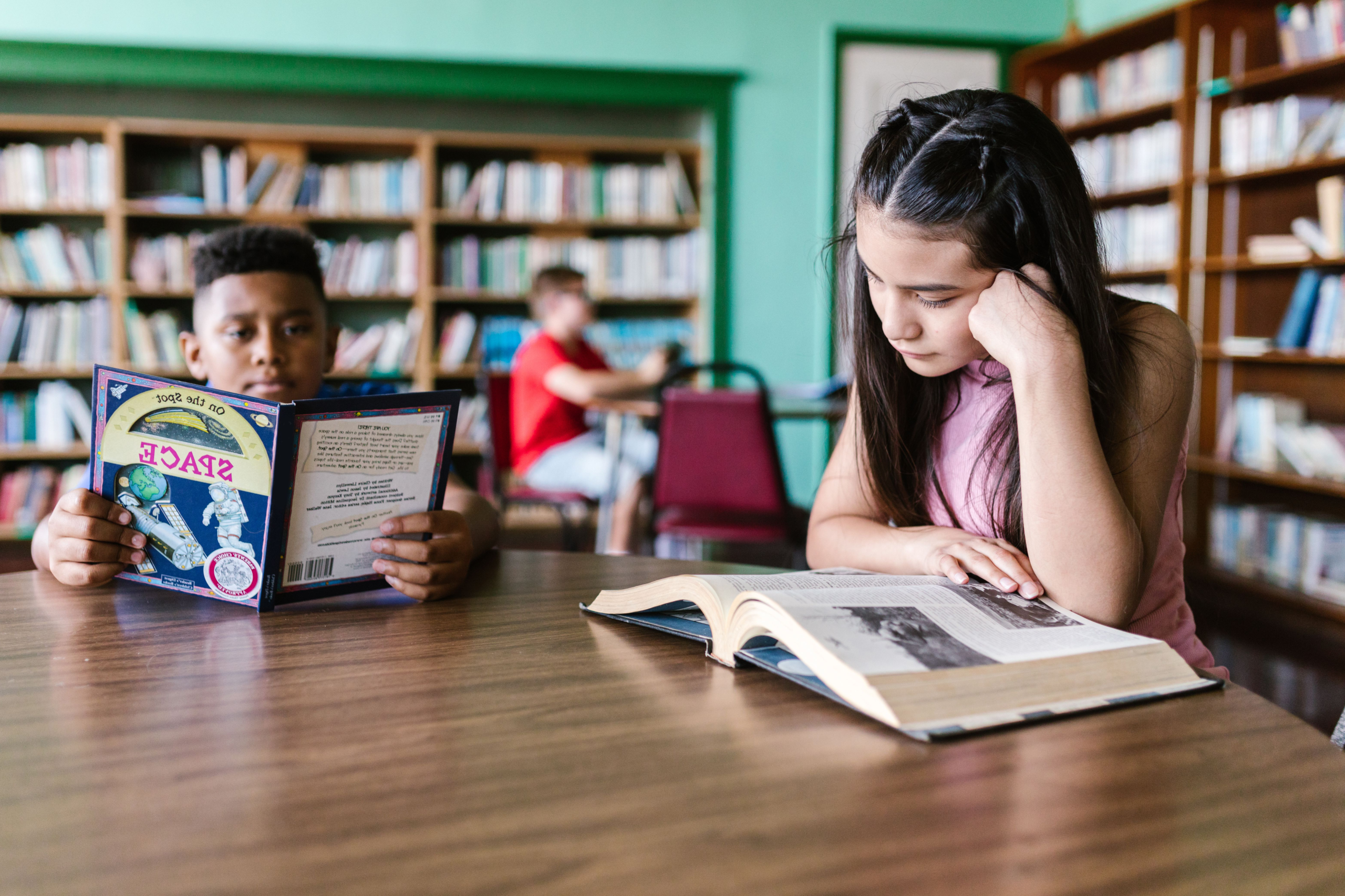
Pressman didn’t hesitate: “Sleep. It’s just the most important thing… Sleep is the antidote to so many of our issues.” Her test for overscheduling at any age: “if it is disrupting and pushing and delaying sleep for healthy functioning, it’s too much.”
Kelly added unstructured play — “not a program” — and households full of reading, “parents just reading for themselves and for the delight of reading.” (As a former preschool head, he also nominated toilet training: “It’s a skill. It’s an important one.”)
Audience Q&A
What makes raising kids in New York City special — what are you most proud of in this ecosystem?
Todd Shy recalled his first days at Avenues: watching a sixth grader walk to the curb and hail a taxi, and learning to shepherd field trips onto the subway. “This feels like the world in a way that my hometown does not… that’s a gift.” The city’s exposure is real, he said — and so is the fact that kids encounter it before they have the full cognitive and emotional capacities to process it. “That’s where they need us.”
Tom Kelly pointed to independence and character: college deans tell him NYC independent-school kids “can room with anyone,” and “have the courage to speak up and lean into misconduct or dishonesty. They have a willingness to admit mistakes.”
 We’ve learned the value of letting kids solve their own problems — but when every other parent is propping their kids up, a hands-off approach can feel cruel. Is it a mistake?
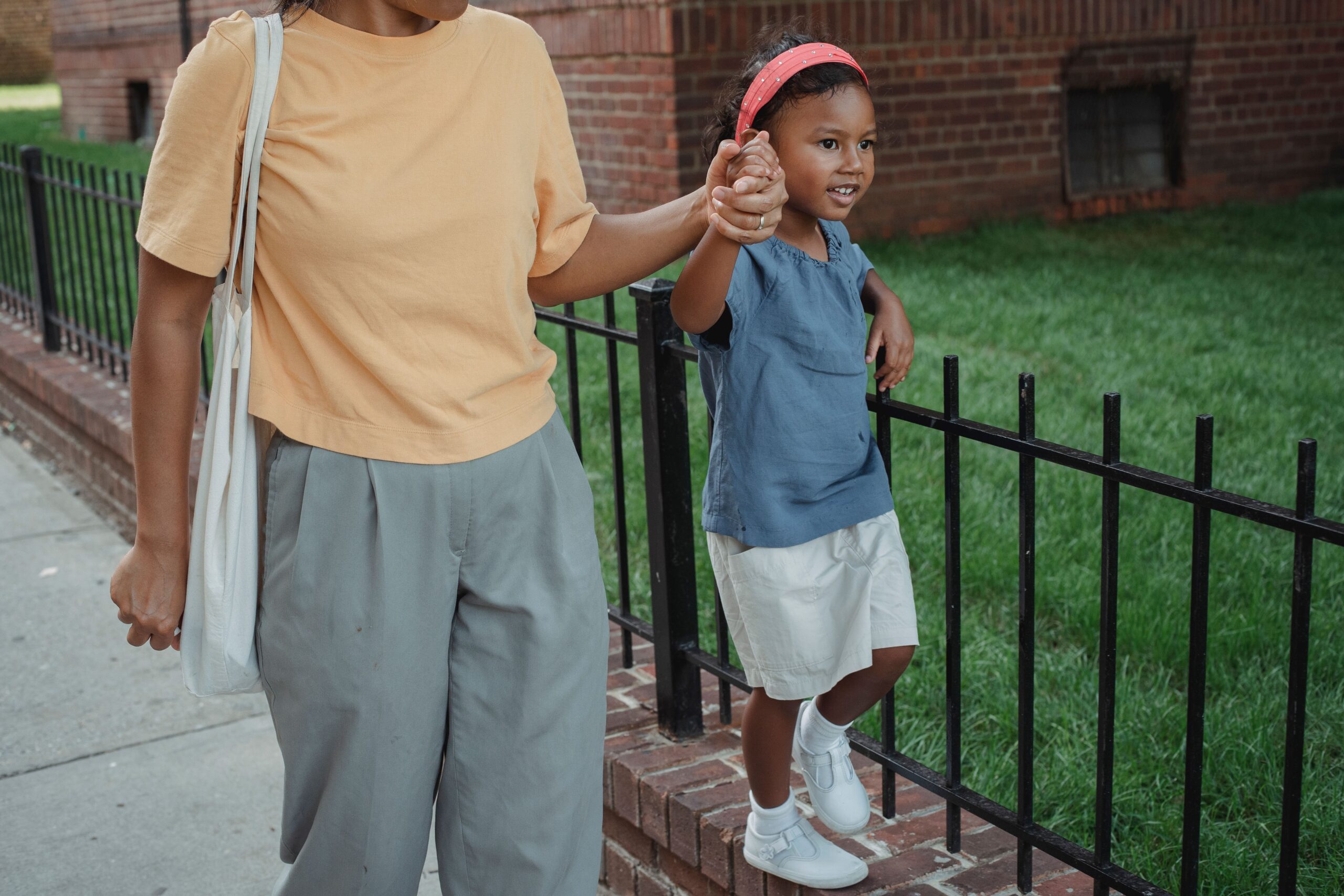
Aliza Pressman said it’s “cruel in the reverse.” She told the story of being attacked by parents for suggesting a child not be rescued over a forgotten water bottle at sports practice: “letting kids do for themselves what they can already do and guiding and encouraging them to do things they can almost do… is the recipe for raising autonomy-supported kids who can function in the world.” Her framework: “our job is to prevent breakage, but the bending and the stretching… is such a gift for them.” And: “if it feels cruel, know that it’s cruel in the long term not to.”
Kelly told the story of a student who came off the waitlist in eighth grade after being waitlisted at nearly every entry point. The lesson: “the resilience the kids have when they know they’re still okay.”
Shy added that resilience “rests on relationships” and shared his own anguished decision at a swim lesson to intervene when his terrified daughter clung to the coach. “We get a chance a thousand times a day to work through this…you’ll overdo it sometimes, you won’t do enough sometimes, you’ll meet in the middle.”
How has parents’ idea of “the best” for their child evolved — and what should it be?
Shy borrowed David Brooks’s framework of “résumé virtues” versus “eulogy virtues”: “You better not postpone the development of another set of virtues.” His advice on the enrichment treadmill: “do it if it feels right. But don’t do it because you’re worried that other people are getting ahead.”
Kelly put it in a line the room remembered: “We want to graduate good kids who happen to be wicked smart.”
 Some call AI a “third parent” or a second brain for young people. How should we think about it?
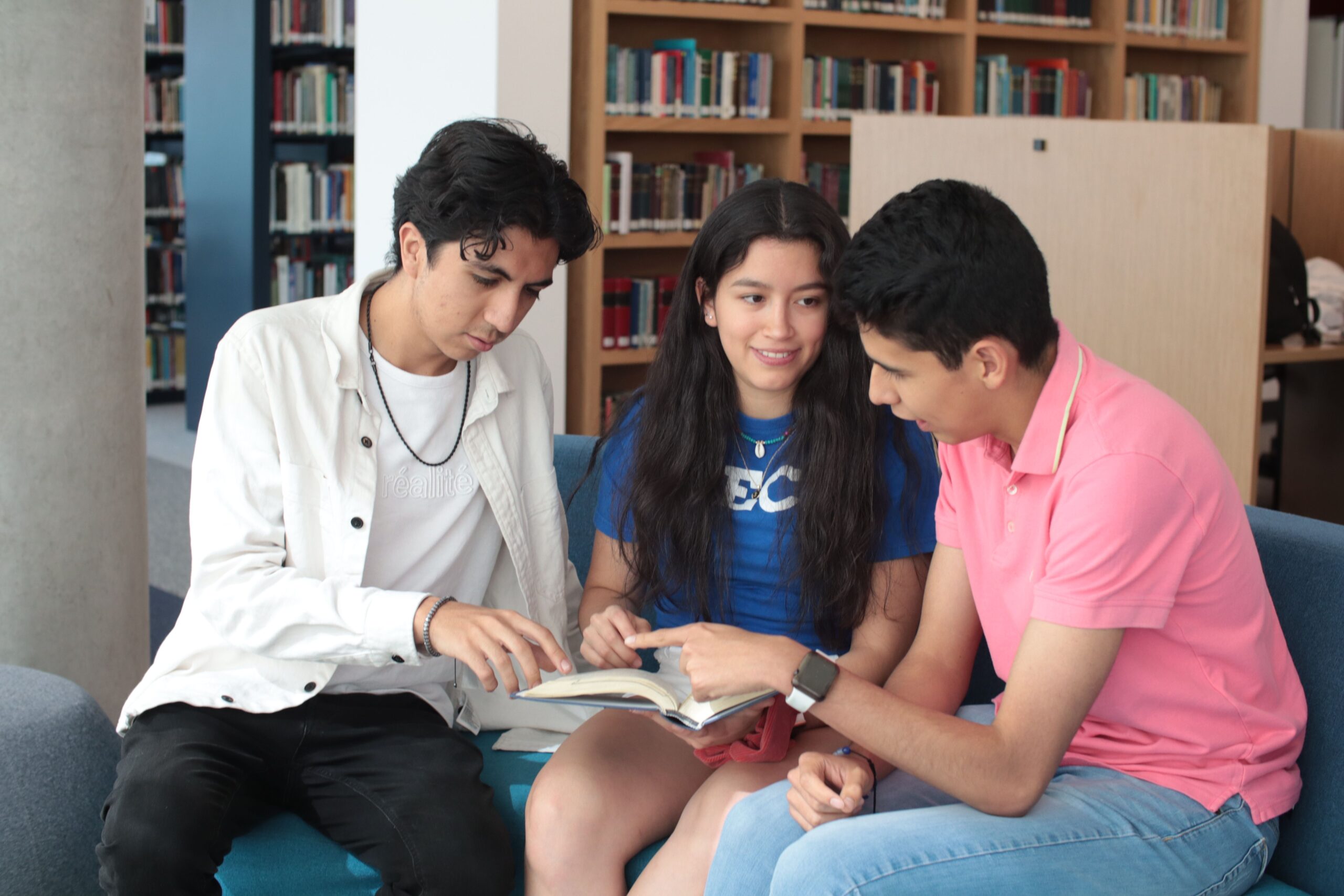
Kelly counseled “go slow… flags up… with caution” — but saw genuine promise: “for the first time ever we might have a tool that levels the playing field outside of school for our kids,” a “Sherpa” that helps a child ask questions and get explanations when no educated adult is home to help. His test for any classroom use: “is it more like a calculator on your phone or is it more like sending a robot to do your exercise in the gym?” And a firm line: “The common acceptance of cheating is just a skill… I just don’t think K through 12 we should be acknowledging that.”
Shy confessed to “groping around in a sandstorm,” trying to keep up — but found an upside: AI “is forcing people to ask a question that they otherwise might ignore… What is the nature of a human being?” His warning: “We were wrong, when social media launched, about the pitfalls,” and schools must “resist the agenda setting… I don’t want the tail to wag the dog of education.”
How do you teach young children compassion and empathy when they see so much cruelty?
Pressman emphasized “humans become as empathetic as they are shown empathy.” Children need to experience it at home and witness it — and “they need to have a stomachache when they do something cruel. It will help their moral rudder.” She drew a sharp line between shame and guilt: “Shaming, like telling a kid they’re a bad person…is not good for anybody. But letting somebody sit with how crappy they feel because they didn’t do right by someone — that is necessary for developing into an empathetic good person.” She added, “we have to feel morally healthy in order to be psychologically healthy.”
Shy argued the issue is moral, not just therapeutic. “We use language about being student-centered. It should not surprise us that that creates conditions where students can become self-centered… It’s a moral component to care about how other people are experiencing the world.”
Kelly described Horace Mann’s decade-plus as a RULER school: “what it gives the kids is grace… Kids need grace, too. They need the opportunity to reboot and think about ‘what’s my better self.’”
 How do you balance play-based early education with the skills kids are expected to have in the kindergarten application process?
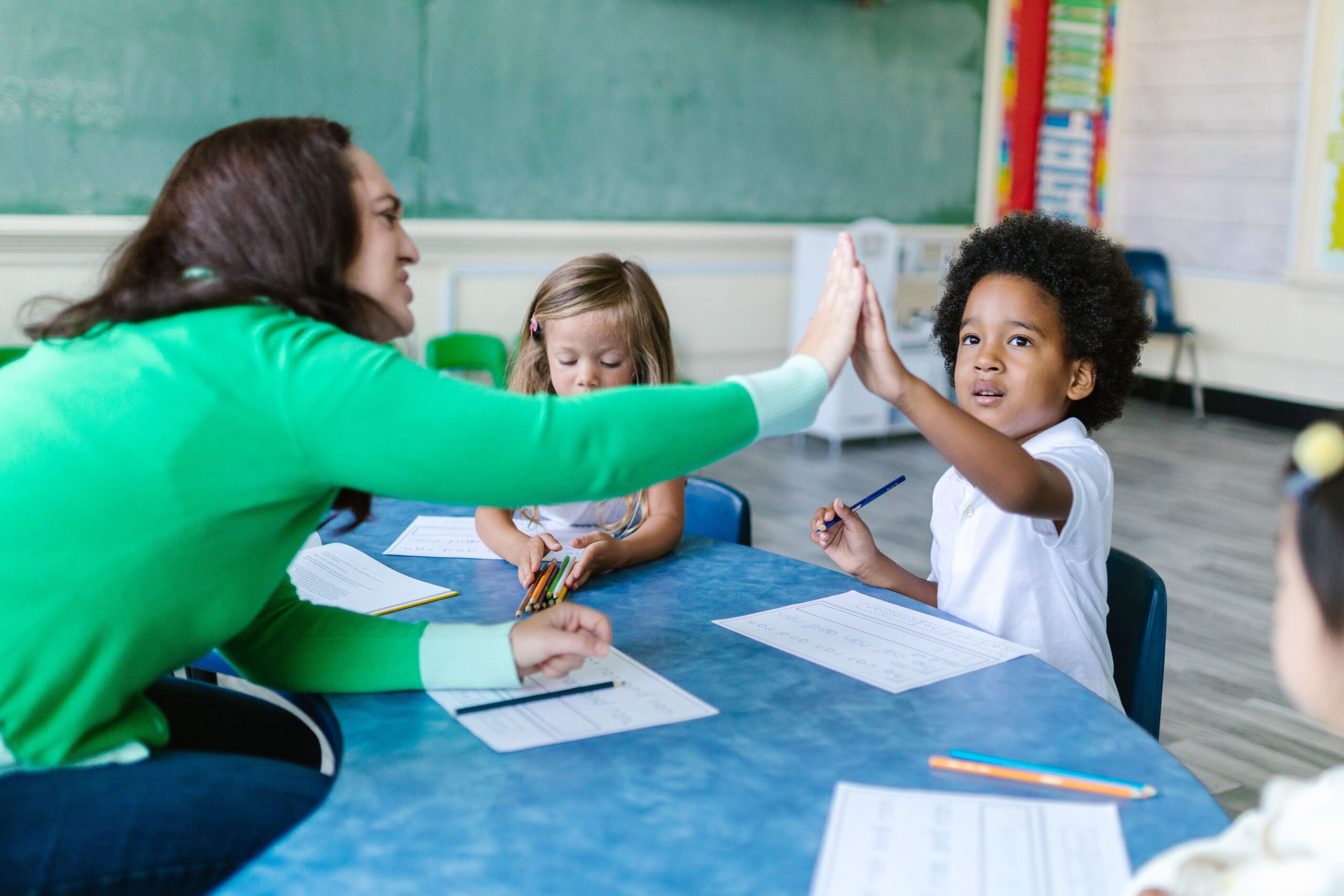
Kelly said, “Play done well get[s] you the skills you need to do well in the kindergarten process.” And on school choice: “Don’t get caught up in the brass ring… Look at the schools where you see your kid.”
Shy cited Alison Gopnik’s The Gardener and the Carpenter: “modern parenting is under enormous pressure to act like carpenters,” but “parenting is much more like being a gardener.” He compared anxious NYC parenting to Olympic curlers frantically sweeping in front of the stone: “if I feel like I’m trying to architect it or do the brooms, I would slow down.”